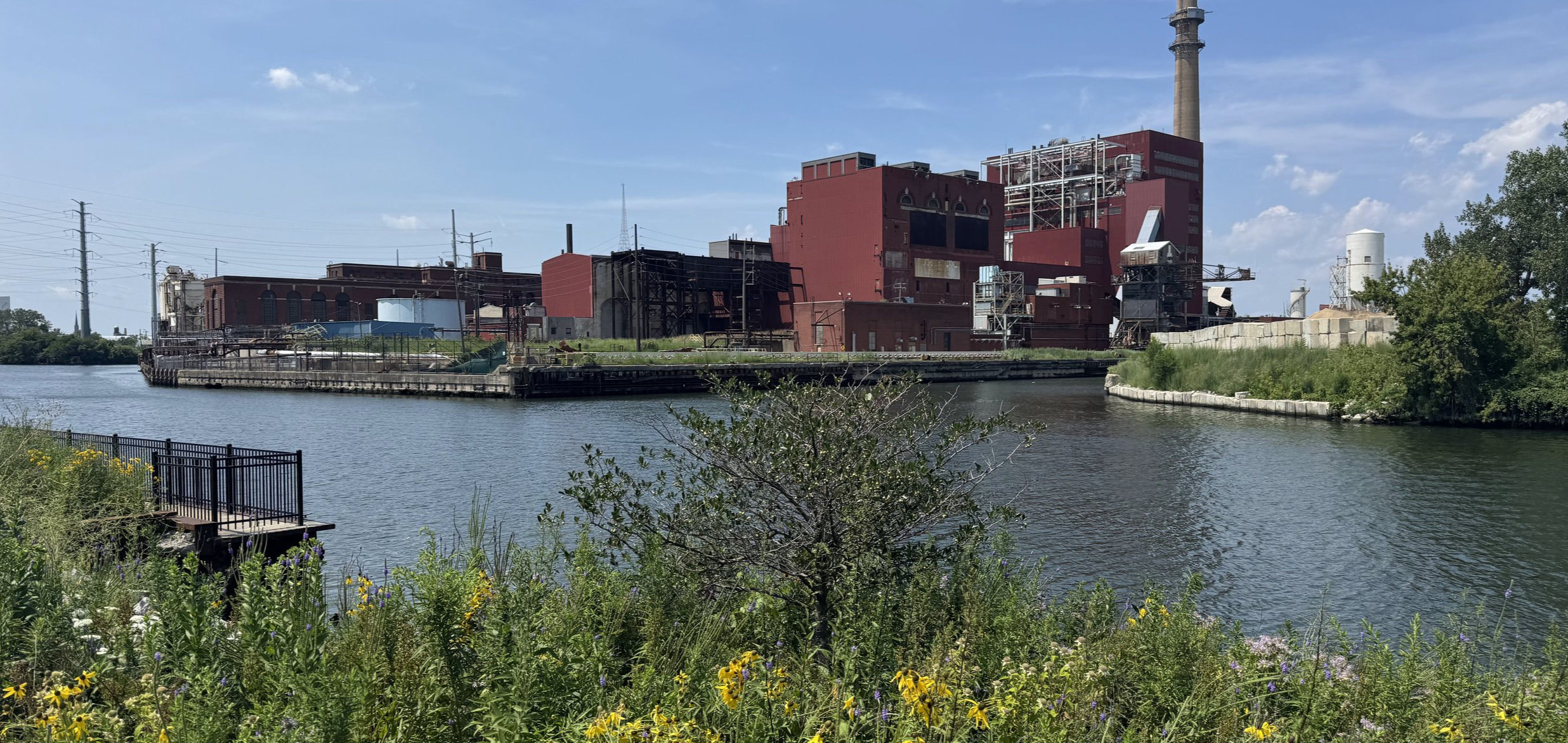
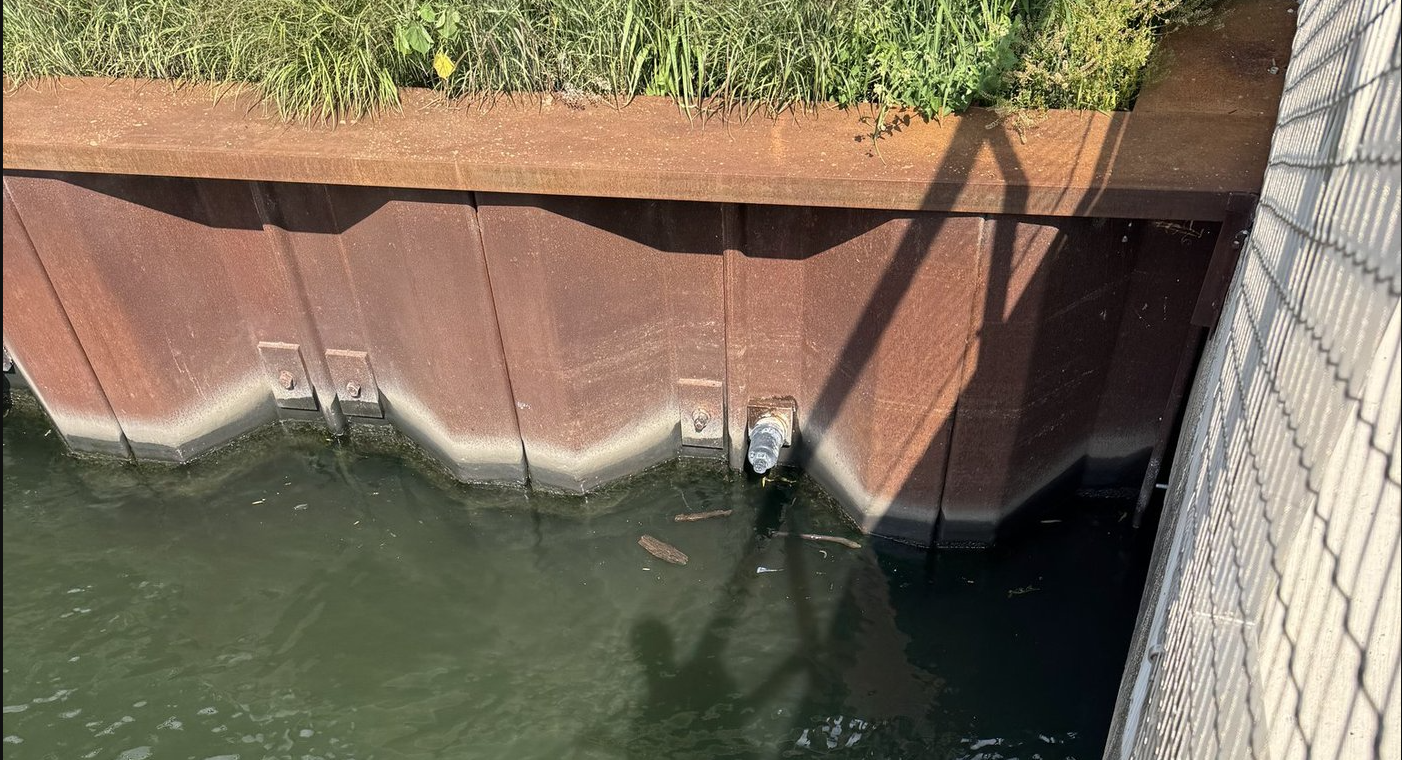
Ask anyone who spends time along the Chicago River, and you’ll hear whispers about “river monsters” lurking just below the seawall. Anglers swap stories about massive shadows gliding beneath their bait, kayakers tell of sudden splashes near their boats, and tourists leaning over the railing sometimes swear they’ve seen something big staring back at them. But the truth behind these urban legends isn’t quite as terrifying as it sounds—though it’s still impressive. Most of these so-called monsters are actually overgrown Channel Catfish, living large in the depths of the river.
Channel Catfish are native to the Midwest and have thrived in the Chicago River, especially since water quality has improved in recent decades. With fewer natural predators and plenty of food from both natural sources and urban runoff, some have grown to lengths over three feet and weigh well into the double digits. Their wide, flat heads, whisker-like barbels, and slow, deliberate movements give them an otherworldly appearance—especially when glimpsed in the murky green water under the seawall’s shadow.
Fishermen know that these fish are powerful fighters. Hook one from the riverwalk or a nearby dock, and you’ll feel a heavy, stubborn pull that makes you question just what’s on the other end of your line. Because they’re bottom feeders, they often cruise along the submerged ledges of the seawall, where debris, baitfish, and vegetation collect. In low light or turbid water, a big catfish can look like a hulking silhouette straight out of a lake monster tale.
While they may appear intimidating, Channel Catfish are harmless to humans and play a valuable role in the river’s ecosystem, helping to clean up organic matter. Still, their sheer size and ghostly movements ensure the river’s “monster” reputation will stick around. So next time you’re by the seawall and think you see something lurking below, don’t be too alarmed—it’s probably just one of Chicago’s oldest residents, whiskers and all, watching the world above drift by.