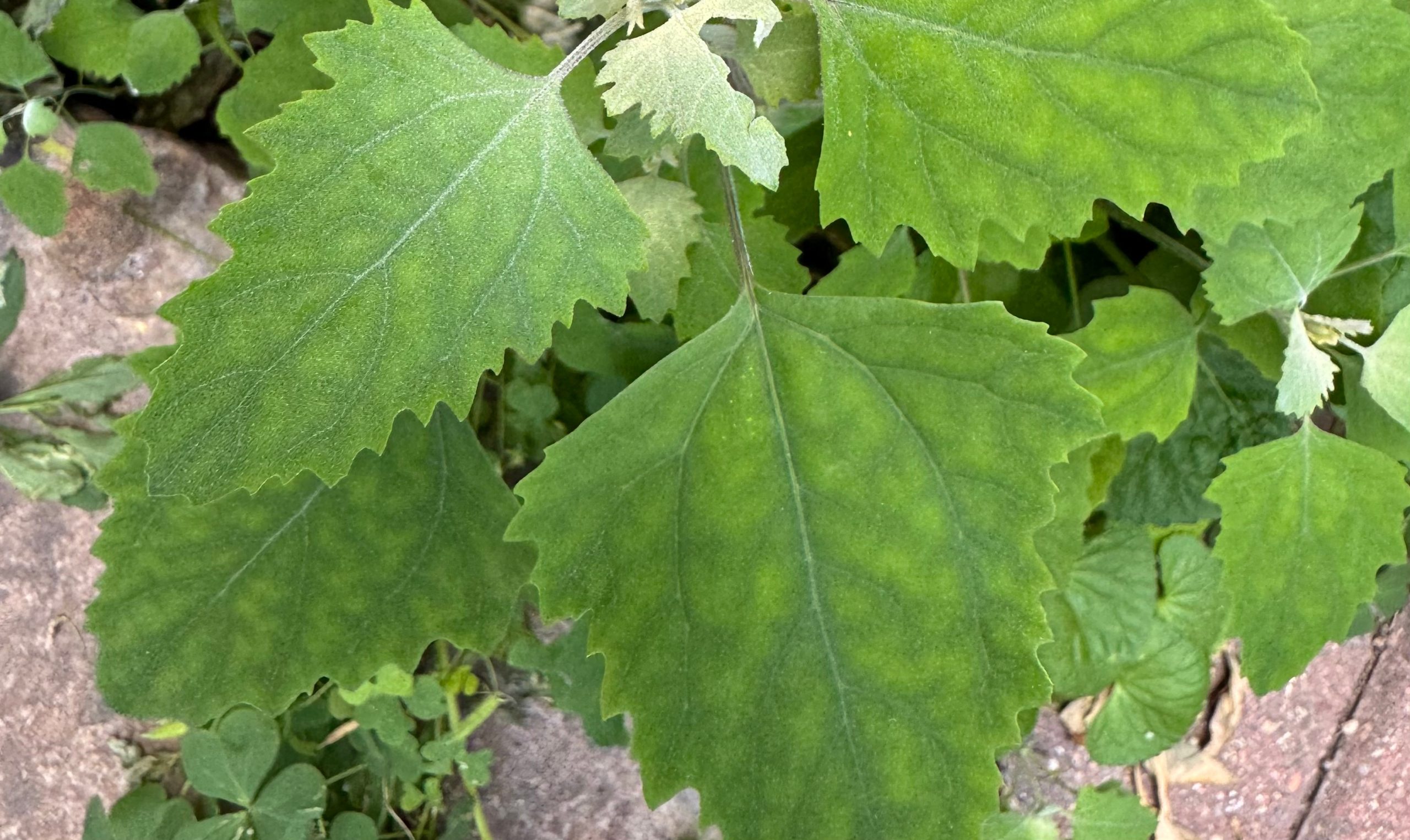
If you’ve walked through an alley, garden, or vacant lot in Chicago lately, you’ve probably seen it: tall, leafy, bushy—and thriving. Lambsquarters, the scrappy urban weed with silvery undersides and diamond-shaped leaves, is having a banner year. From Humboldt Park to Hegewisch, it’s popping up in sidewalk cracks, backyard corners, and even garden beds where it wasn’t invited.
So what’s going on? In short: lambsquarters love the weather we’re having.
Chicago’s summer so far has been a strange brew—hot and wet. That’s a winning combination for this native-adjacent plant (Chenopodium album). Lambsquarters thrives in disturbed soil, high heat, and irregular watering. Heavy spring rains soaked the city’s soil, and the recent heatwaves have given it a massive growth spurt. While more delicate plants have struggled with rot or heat stress, lambsquarters has powered through.
But why is it so successful compared to other weeds?
1. Tough Roots & Quick Growth: Lambsquarters germinates fast, grows aggressively, and can reach over five feet tall. Once established, it’s drought-tolerant and hard to kill. It’s the plant version of a CTA bus: gritty, unbothered by its environment, and always rolling through.
2. Concrete Doesn’t Faze It: Like many Chicagoans, lambsquarters is unfazed by pavement. It’s often one of the first plants to colonize vacant lots or construction zones. Its seeds can lie dormant for decades and then burst into life when the soil gets disturbed.
3. It’s Basically a Superfood: And here’s where things get interesting. Lambsquarters isn’t just a weed—it’s food. A lot of it. More nutritious than spinach and loaded with calcium, iron, and vitamins A and C, lambsquarters has long been foraged by Indigenous people, gardeners, and urban herbalists alike.
In fact, you can use lambsquarters anywhere you’d use spinach:
- Sauté it with garlic and olive oil for a quick side dish.
- Add it to omelets, curries, or soups.
- Toss it raw into salads when the leaves are young and tender.
- Steam or blanch it and freeze it, just like you would with spinach.
It has a mild, earthy taste that holds up well to cooking—think of it as spinach’s street-smart cousin, tougher and a little more assertive.
Just a tip: If you’re foraging from the wild, make sure the plant isn’t growing in contaminated soil (like near train tracks or busy roads), and always rinse thoroughly. But if it’s growing in your yard, garden, or a pesticide-free community plot? That’s dinner.
4. Climate Resilience: Most of all, lambsquarters is a climate survivor. As Chicago’s weather gets hotter, wetter, and more unpredictable, this is the kind of plant that’s going to keep showing up—and possibly feed us along the way.
So next time you’re tempted to yank it from your garden, pause. You might just be pulling out the most useful “weed” in the city. This summer, let lambsquarters remind us: not everything wild and unruly is unwelcome. Sometimes, it’s delicious.