
In the heart of Chicago’s Southwest Side, where taquerías and mariscos spots share blocks with backyard gardens and faith-based clinics, a quiet shift is underway. Among many Latino families, conversations around food are no longer just about flavor or tradition—they’re about health, sustainability, and the future.
A growing number of residents in neighborhoods like Little Village, Pilsen, and Brighton Park are adopting a pollo-pescatarian diet, choosing to eat only chicken and fish while forgoing red meat and pork. It’s not a trend born from glossy magazines or viral TikToks. It’s a movement rooted in values: caring for family, honoring the planet, and reclaiming health in communities long targeted by unhealthy food systems.
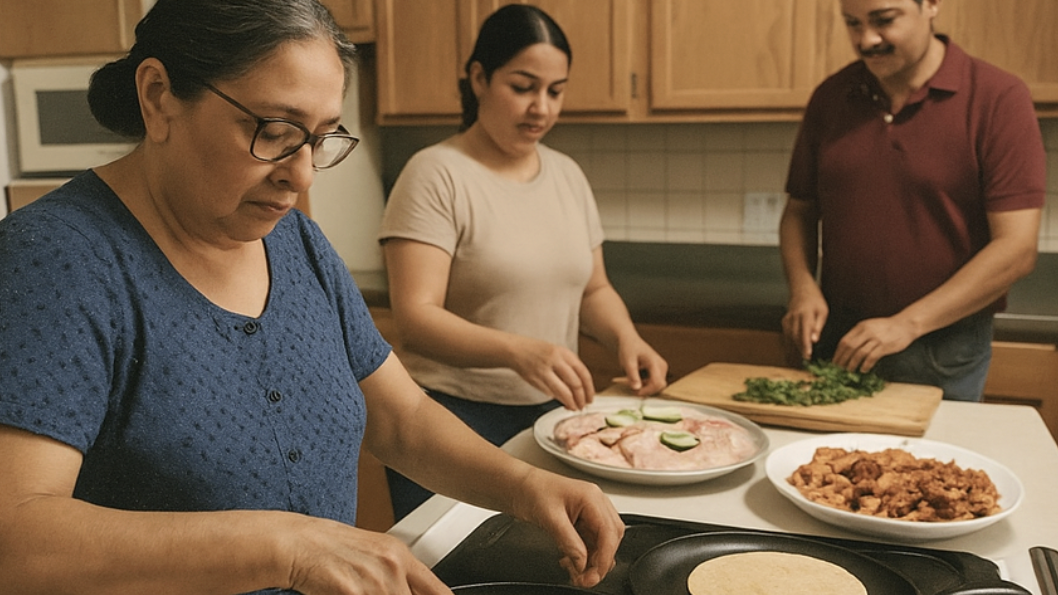
Ana Martínez, a mother of three and longtime Little Village resident, stands over a sizzling comal as she flips tortillas made from blue corn. On the counter beside her, there’s a bowl of lime-marinated tilapia and a pan of grilled chicken with nopales. “Antes hacíamos carne asada cada domingo,” she says. “Pero ya no. El doctor me dijo que mi presión estaba muy alta. Ahora cocino más pescado. A mis hijos les encanta el filete empanizado.”
In interviews with local health workers, community gardeners, and home cooks, a common theme emerges. Many say the decision to move away from red meat comes from lived experience—parents with diabetes, elders with high blood pressure, or their own struggles with weight and fatigue. For others, it’s driven by environmental awareness and the push to reduce carbon footprints without abandoning culturally significant foods.
At El Paseo Community Garden in Pilsen, Pedro Sánchez tends to rows of tomatoes and herbs while chatting with a neighbor about the week’s meals. “Yo no soy vegetariano,” he laughs, “pero ya no me hace falta el chorizo. Un buen guiso de pollo con calabacitas y arroz integral me deja más satisfecho. Y me siento más ligero.”
The choice of chicken and fish is both practical and symbolic. Chicken is a staple in many Latino households—used in everything from caldo de pollo to arroz con pollo—while fish ties closely to traditions, especially during Lent and coastal heritage. Rather than adopting entirely plant-based diets, which can feel culturally distant or economically out of reach, pollo-pescatarianism offers a balanced alternative that feels familiar, affordable, and meaningful.
María Rivera, a health educator at a community clinic in Brighton Park, says she’s seen a noticeable change in how families talk about food. “Nosotros crecimos pensando que el bistec era lo mejor, lo más sabroso. Pero ahora veo abuelitas enseñando a sus nietos a hacer pescado al horno con limón y ajo. Les dicen, ‘Mijo, esto es para que no termines como yo, con la azúcar alta.’”
Local organizations are playing a role too. Urban farms like El Paseo offer bilingual nutrition workshops. Catholic churches are partnering with wellness programs to encourage heart-healthy eating, while neighborhood stores are beginning to stock more affordable fresh seafood options, often sourced from Great Lakes fisheries or regional vendors.
In many ways, this shift is about more than diet. It’s a statement—about reclaiming autonomy over health, resisting processed food norms, and aligning daily life with long-standing cultural values of stewardship, balance, and community care. It’s also deeply Chicagoan: pragmatic, diverse, and driven from the ground up.
Pollo-pescatarianism may not have a fancy name in the community itself. Ask around, and you’ll more likely hear people say, “Ya no comemos tanta carne roja” or “estamos comiendo más ligero.” But the impact is real. And in a city where food, health, and justice are deeply connected, it’s one more sign of how Chicago’s Latino neighborhoods are leading with intention—una comida a la vez.