Canadian Wildfires Choke Chicago: How to Stay Safe as Smoke Blankets the City
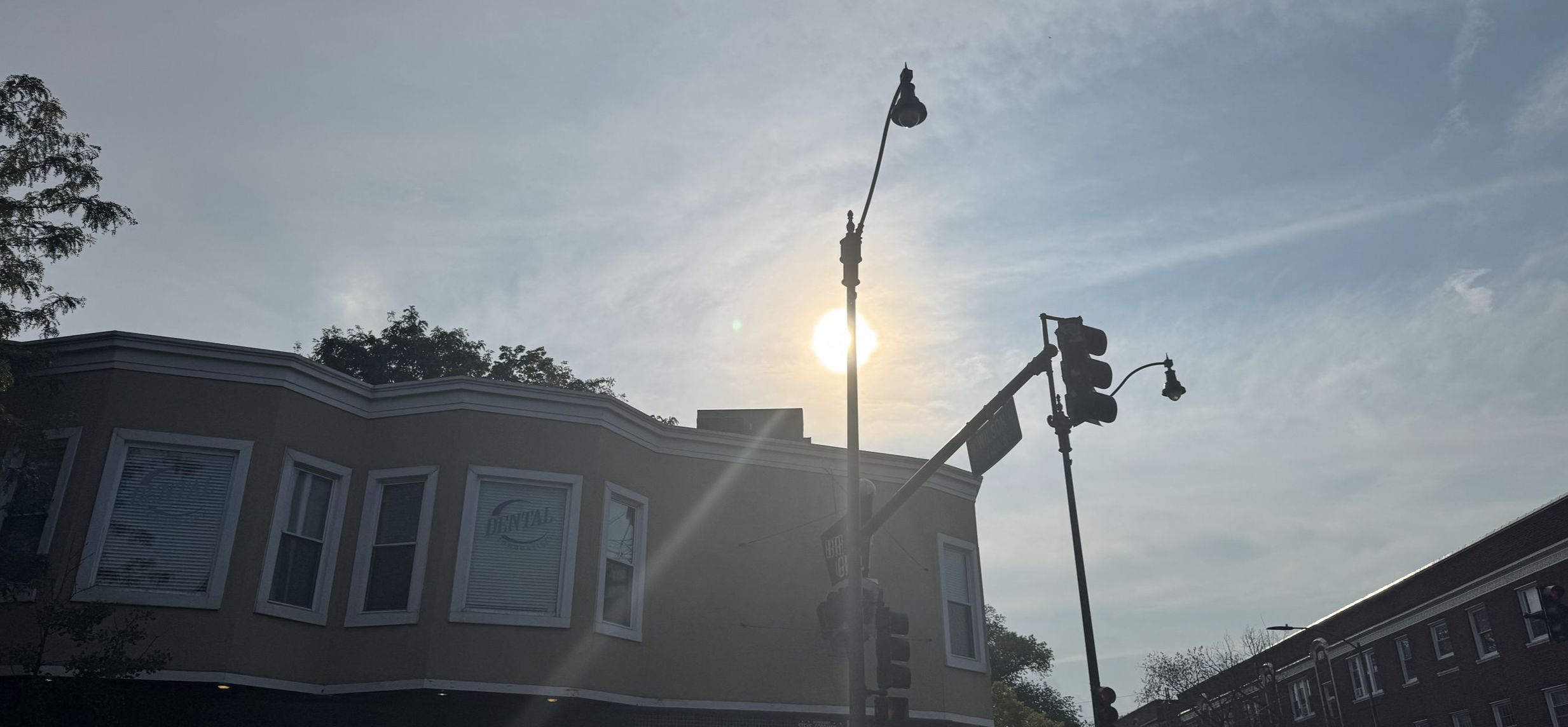
Chicago has been grappling with some of the worst air quality in the world this summer as smoke from more than 700 active Canadian wildfires drifts south. On multiple days in early August, the city ranked among the top five most polluted major cities globally, with the haze thick enough to create a visible, grayish cast over the skyline. The culprit is a combination of fine particulate matter, known as PM₂.₅, carried hundreds of miles by the wind, and a stubborn high-pressure system that traps the smoke near ground level. The result is air that is not only unpleasant to breathe but also potentially harmful to health.
The risks are significant. PM₂.₅ is small enough to penetrate deep into the lungs and even enter the bloodstream, causing irritation, inflammation, and aggravating conditions such as asthma, COPD, and heart disease. While vulnerable groups—children, seniors, pregnant individuals, and people with chronic illnesses—are most at risk, even healthy adults can develop symptoms like coughing, fatigue, and headaches after prolonged exposure. Experts compare breathing wildfire smoke for a day in these conditions to smoking half a pack of cigarettes.
To protect yourself, staying informed is critical. Residents should check the Air Quality Index (AQI) frequently through resources like AirNow, the AirNow mobile app, or neighborhood-based monitors like PurpleAir. When AQI levels exceed 100, everyone should consider reducing outdoor activity; above 150, health agencies recommend avoiding outdoor exposure altogether. This is especially important for exercise or other strenuous activities, which increase the amount of air—and therefore pollutants—drawn into the lungs.
If you must go outside, a properly fitted N95 or KN95 mask offers the best protection against inhaling fine particles; cloth and surgical masks are largely ineffective against PM₂.₅. Indoors, the goal is to keep air as clean as possible. Windows and doors should remain closed, HVAC systems should be set to recirculate air, and high-efficiency filters—ideally MERV-13 or higher—should be used. Portable HEPA air purifiers can make a significant difference, especially in bedrooms or main living spaces. On smoky days, avoid activities that add to indoor pollution, such as using gas stoves, burning candles, or vacuuming without a HEPA filter.
It’s also important to monitor your health. If you experience worsening respiratory symptoms, chest tightness, or unusual fatigue, seek medical advice. Those with asthma should keep rescue inhalers close at hand and follow their action plans. The Illinois Department of Public Health emphasizes that while the smoke is coming from far away, the effects are very real and should not be ignored.
The reality is that wildfire smoke may become a recurring problem in Chicago as climate conditions change, so building good habits now—checking the AQI, wearing a proper mask when needed, and maintaining clean indoor air—can help safeguard your health in the years ahead.